BlogAugust 17, 2026

When No One Is Listening: Notes from an Internet Rights Meeting

I was in the room, but I chose not to speak. Sometimes the absence of a listener says more than another speech ever could.
SeyedAli Emami
When No One Is Listening: Notes from an Internet Rights Meeting
There are moments when being present feels like a form of speech. I attended a meeting organized around internet restrictions in Iran—a conversation that was supposed to bring experts, activists, businesses, and officials into the same room. The subject was not abstract. It was about the connection people use to work, learn, communicate, build businesses, find information, and stay in touch with one another. But most of the officials who had been invited did not come. I was there. I listened carefully. I did not speak. Not because I had nothing to say. I stayed quiet because I could not see anyone there who had the authority, responsibility, or genuine willingness to listen to what people like us have been saying for years. When the people who can answer are absent, another carefully prepared statement can start to feel like theatre.
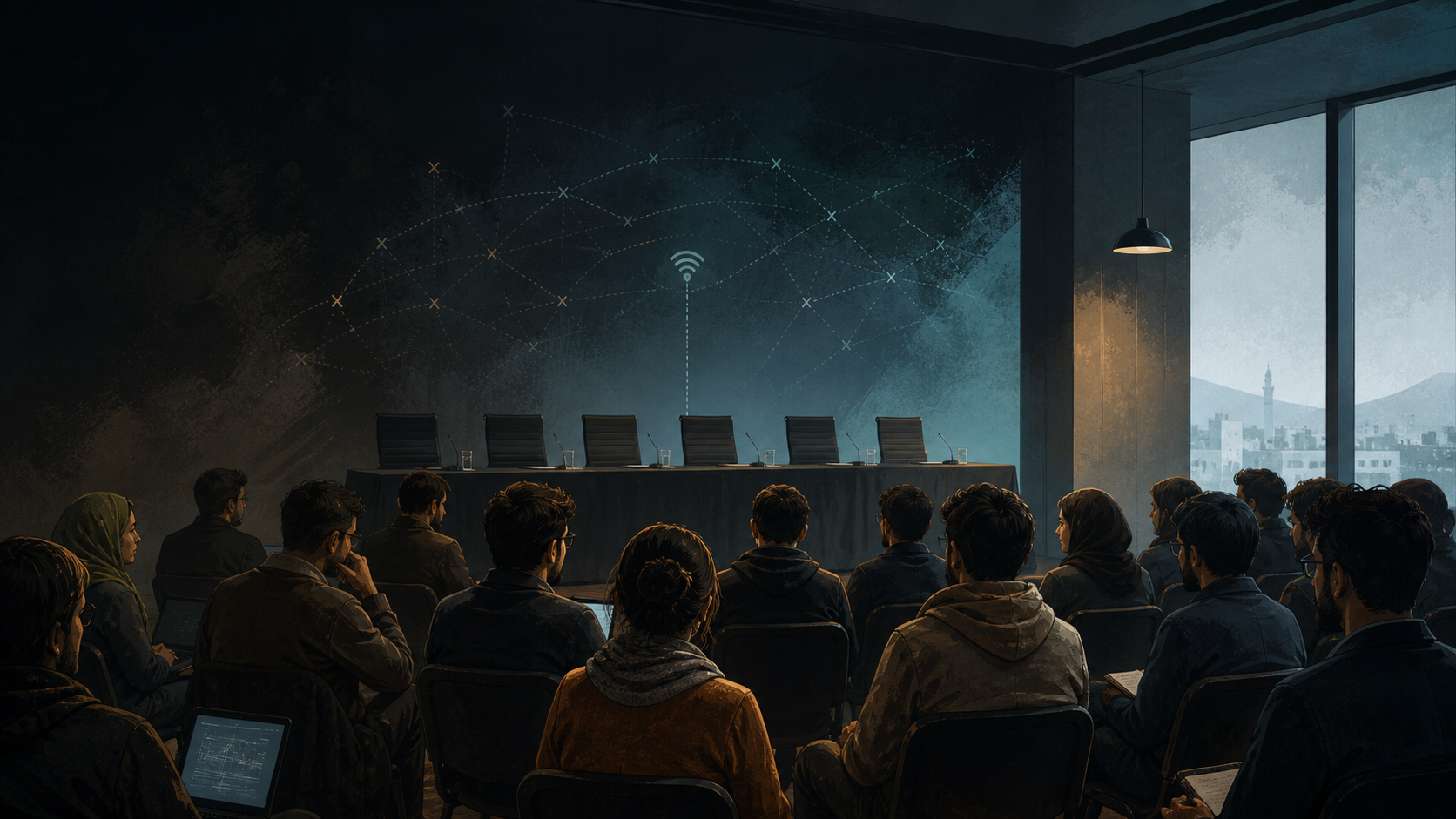
A conceptual illustration of an internet rights meeting with empty official chairs facing the audience
Conceptual illustration for this essay. The cover image and the event photographs below are from Zoomit’s original report. They are included here with clear attribution to Zoomit.
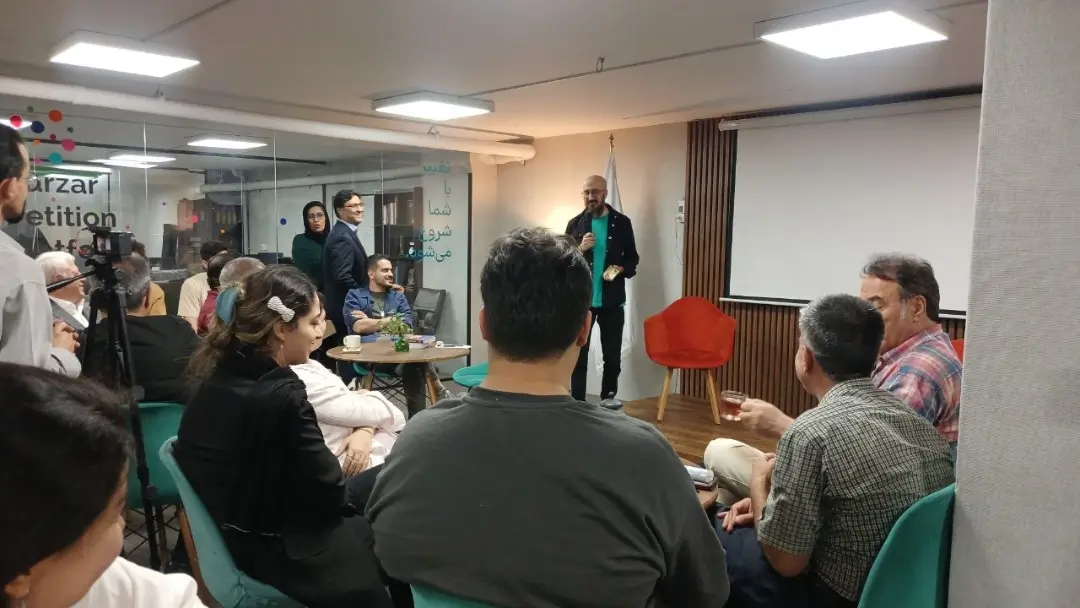
The Karzar internet meeting with participants gathered around the speakers
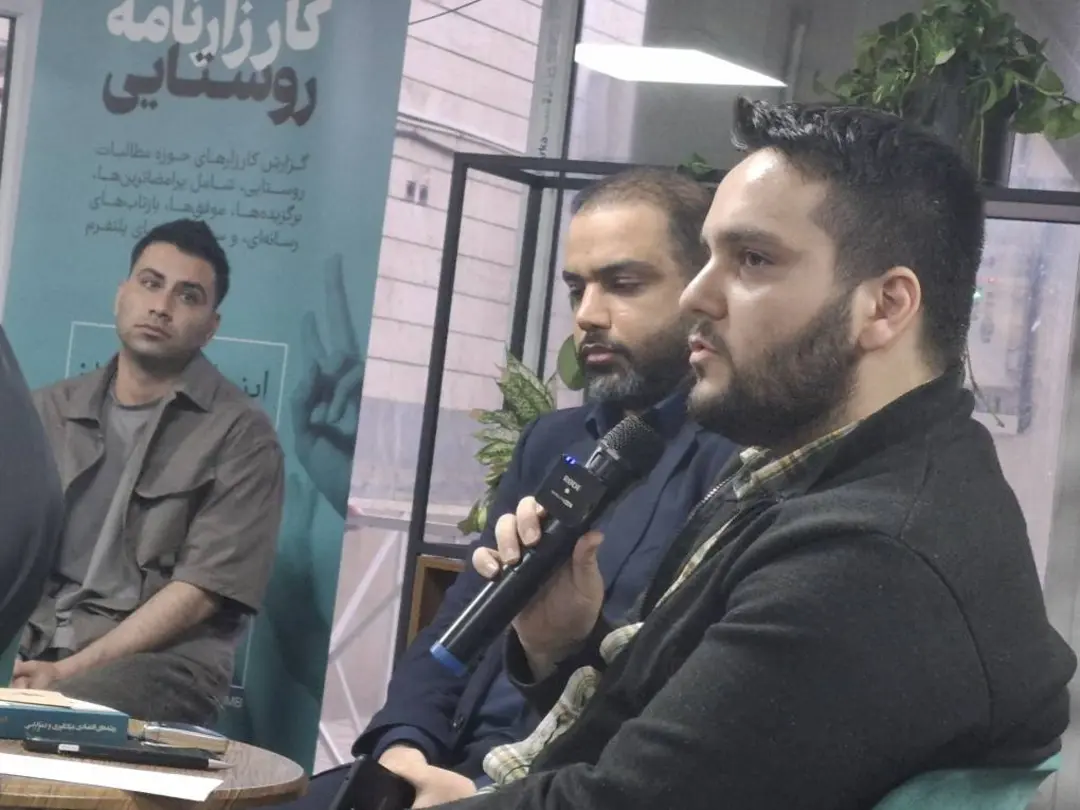
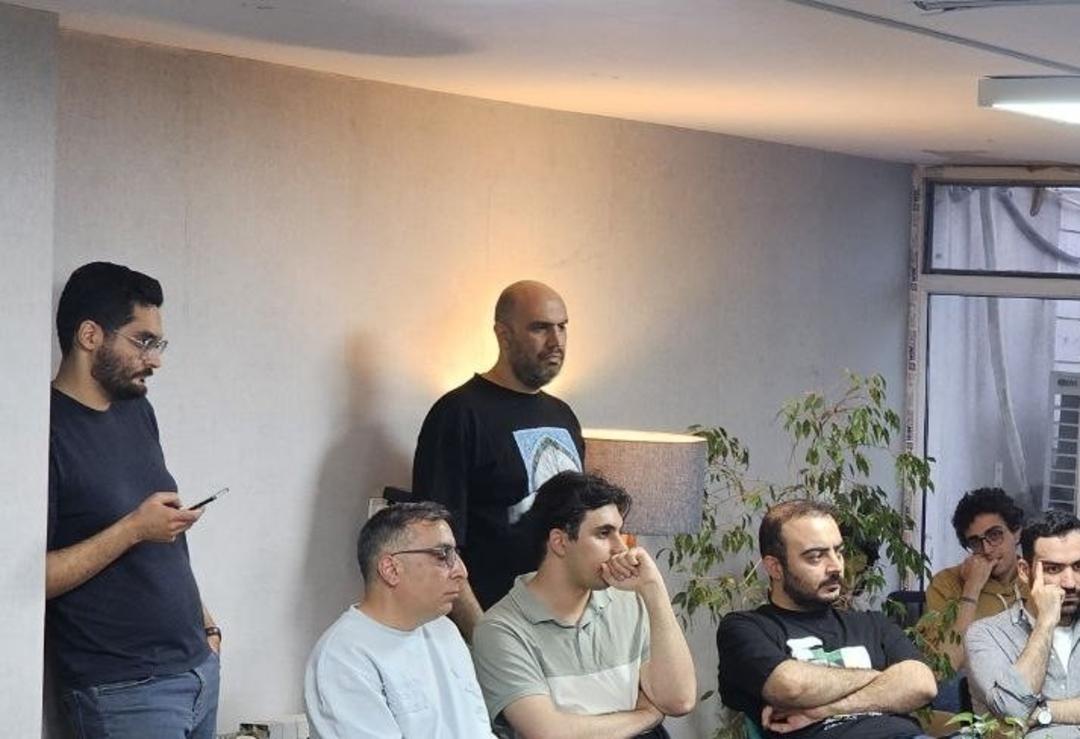
Image: Zoomit — from the original report. The original report by Zoomit describes a meeting held after the Karzar platform collected hundreds of thousands of signatures protesting internet shutdowns and tiered access. Dozens of specialists, researchers, and people from different parts of civil society attended. The empty seats reserved for public officials became part of the story. That absence was not a small logistical detail. It changed the nature of the conversation. People in the room could explain what restrictions do to a business, a classroom, a hospital, a family, or a developer trying to keep a project alive. They could disagree about national infrastructure, security, filtering, and domestic platforms. But without the people who make or defend these decisions, the discussion had no real path toward an answer. The room could describe the problem. It could not ask the people responsible to account for it.
Participants listening during the Karzar internet meeting
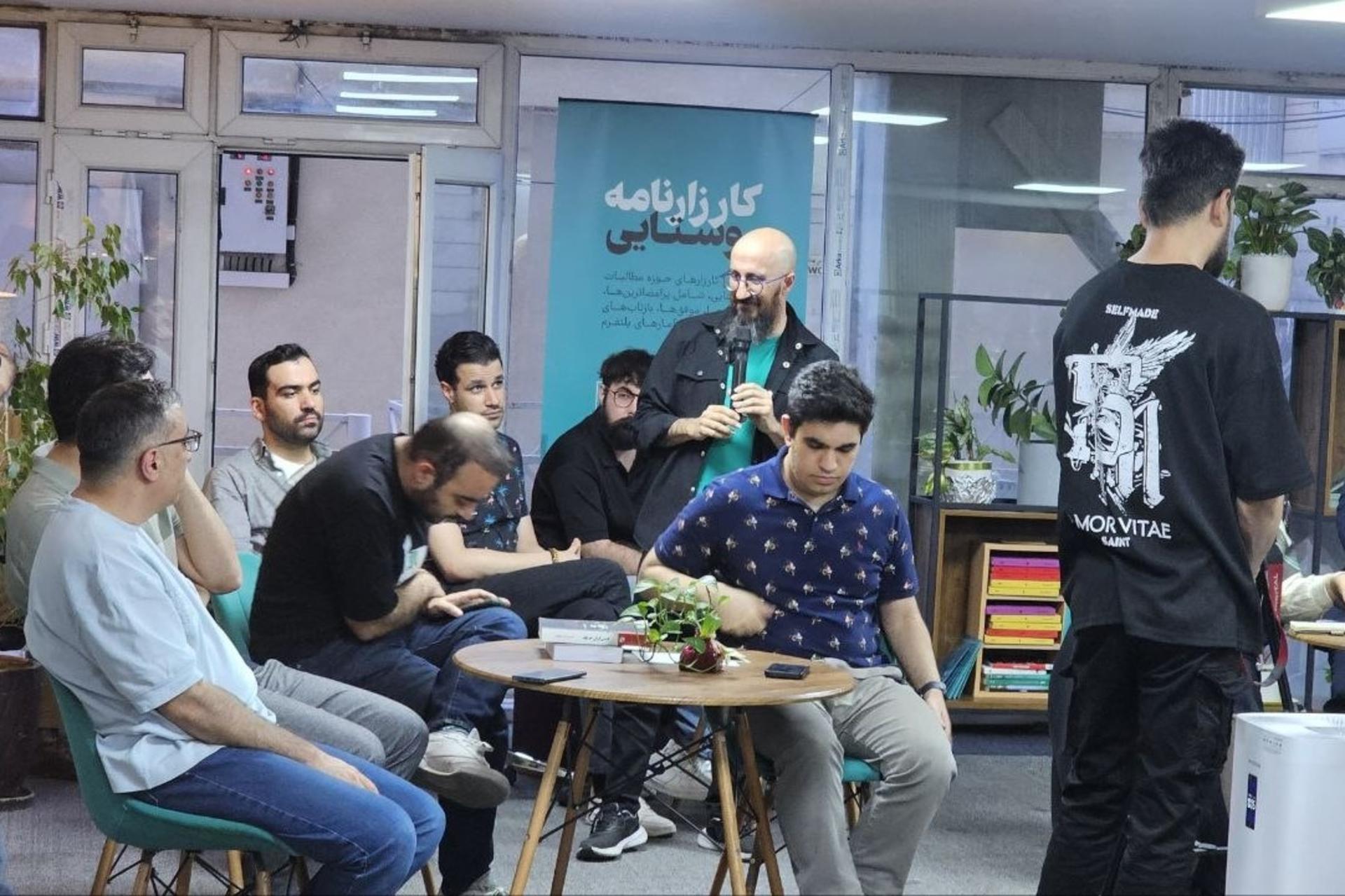
Image: Zoomit — from the original report. One of the central arguments was the idea of giving some people or businesses a special level of international access during a crisis. Supporters describe this as a practical response: a business that depends on global services may need to keep operating, and a researcher or technical team may need tools that are unavailable locally. That need is real. So is the frustration of watching a workaround become a permanent hierarchy. When access depends on profession, status, proximity to power, or the ability to pay more, the network stops feeling like shared infrastructure. It begins to look like a privilege distributed from above. The technical label may change, but the public experience remains the same: some people are allowed to keep their doors open while everyone else is told to wait outside. The problem is not that different services have different technical requirements. The problem is the lack of a transparent, accountable, and rights-based process for deciding who gets access, why they get it, and when it will end. Several speakers connected restrictions to security. A government can have legitimate security concerns during war, unrest, or a serious cyber incident. A national network can also be useful for keeping essential domestic services available. But “security” cannot be a magic word that ends every question. If the response to insecurity is to disconnect millions of people, the state still has to explain the scope, the evidence, the duration, and the safeguards. It has to show why a broad restriction is necessary instead of a narrower one. It has to account for the security risks created by old devices, missing updates, unreliable backups, fake workarounds, and the loss of trusted information channels. Cutting a connection does not make a society automatically safer. It can move risk from a visible network problem into millions of private, unmeasured situations. Another argument in the room was that a strong national information network can answer many of people’s daily needs. There is nothing inherently wrong with building resilient local infrastructure. A country should be able to keep healthcare, education, public services, and emergency communication functioning during a disruption. The line is crossed when local infrastructure becomes a justification for removing the global one. A domestic service can be useful without becoming a substitute imposed by force. A local platform can compete, improve, and earn trust without requiring people to surrender access to international knowledge, tools, communities, and markets. Resilience should mean having more than one reliable path—not being left with only the path someone else has chosen for you. I thought about speaking. I could have talked about the practical damage: how hard it is to build software when documentation, package registries, hosting tools, payment systems, and professional communities become unreliable. I could have talked about the emotional cost of explaining to people outside Iran that a missed message or a delayed delivery is not always a personal failure. Sometimes the infrastructure simply disappears. But the deeper reason for my silence was simpler: I did not believe anyone was there to hear us. The officials who could have responded were mostly absent. The people living with the consequences were present. That imbalance made the microphone feel less like a channel for dialogue and more like a place to leave another unanswered message.
A speaker addressing participants at the Karzar internet meeting
Image: Zoomit — from the original report. So I listened. I stayed in the room. And I decided that my silence should be documented honestly instead of being turned into a performance of participation. Listening would not mean agreeing with every speaker. It would mean creating a process where disagreement can produce an answer. That would require:
  • publishing the legal basis, scope, and expected duration of every major restriction;
  • inviting the people responsible for the policy and giving them time to answer specific questions;
  • protecting essential access for healthcare, education, work, family communication, and emergency services;
  • measuring access independently instead of relying only on official announcements;
  • explaining how exceptional access is granted and preventing it from becoming a permanent class system;
  • publishing a restoration and remediation plan after every major shutdown.

These are not extravagant demands. They are the minimum conditions for treating connectivity as infrastructure and citizens as people with rights rather than variables in a security model. The most important image from that meeting may not be a speaker at all. It may be the empty chair reserved for someone who was invited to answer and chose not to appear. I do not know whether my silence changed anything in that room. I do know why it happened. I was present, but I did not speak because there was no one I trusted to listen—not seriously, not openly, and not with the responsibility that this subject deserves. Sometimes the first honest response to a broken conversation is to stop pretending that it is a conversation. This article is my personal account and interpretation. For the full event report, the speakers’ statements, and the original Persian coverage, read Zoomit’s report on the internet meeting. I found the original Zoomit report and public updates from Karzar about the event. The other links below cover the wider internet-access dispute and its political context rather than reproducing the exact same meeting report:
Share this post: